
Curious about how to safely work out in a sauna—and whether it’s even a good idea? This guide walks you through the benefits, risks, hydration tips, and sample routines so you can decide how (or if) sauna exercise fits into your wellness routine.

1. Is it Safe to Exercise in a Sauna?
Let’s start with the obvious: the idea of doing a workout in a room that already feels like the inside of an oven sounds… ambitious.
Saunas crank up your core temperature and heart rate even when you’re just sitting still. Add squats, lunges, or anything intense on top of that and things can go sideways quickly.
The reality is that personal home saunas are designed more for relaxing than for full-on training sessions. They’re small, hot, and not exactly the best place to attempt burpees or sprints. Think “quiet stretching nook,” not “mini CrossFit gym.”
The biggest concern? Overheating. And that’s not the glamorous, “I’m glowing” kind of hot—it’s the “I might pass out if I don’t sit down” kind of hot.
The Bottom Line: Light stretching, gentle yoga, and breath work can be okay for many people. High-intensity cardio and heavy strength training are much safer outside the sauna. Use the cabin for restoration, not record-breaking.
If you do decide to move around in there, keep it low-key, drink plenty of water, and pay close attention to how you feel. Walking out looking like a steamed vegetable is optional—overdoing it is not.
2. What Exercises Are OK for Sauna Workouts?
In both traditional and infrared saunas, the heat and limited space mean your focus should be on gentle movement and relaxation, not intensity. Here are some sauna-friendly options:

- Gentle Stretching: Use the warmth to ease into slow stretches. Think neck rolls, shoulder circles, wrist stretches, and seated hamstring or quad stretches. The heat can make muscles feel looser and easier to lengthen.
- Yoga Poses: Choose simple, grounded poses that emphasize balance and relaxation. Child’s pose, easy seated twists, tree pose (if you have room), and seated forward folds can work well.
- Deep Breathing: Slow, intentional breathing pairs beautifully with sauna time. Box breathing, long exhales, or other calming techniques can boost relaxation and help you stay aware of your limits.
- Light Bodyweight Moves: If you want a bit more engagement, keep it minimal: shallow squats, gentle lunges, or modified push-ups. Go slow, keep reps low, and stop immediately if you feel dizzy or overly warm.
20-Minute Sauna Workout
This sample 20-minute routine blends light movement and stretching with the relaxing benefits of the sauna. Treat it as a framework, not a test of willpower:
| Exercise | Duration | Description |
|---|---|---|
| Warm-Up | 3 min | Gentle neck, shoulder, and arm stretches to get the blood flowing. |
| Squats | 2 min | Slow, controlled bodyweight squats—only as low as feels comfortable. |
| Seated Leg Lifts | 2 min | Sitting on the bench, lift one leg at a time to lightly work your core and hip flexors. |
| Side Stretches | 2 min | Sit tall, reach one arm overhead, and lean gently to each side to open the ribs. |
| Arm Circles | 2 min | Small forward and backward circles to loosen shoulders and upper back. |
| Gentle Yoga Poses | 4 min | Add a few simple yoga-at-home poses for flexibility and calm. |
| Lunges | 2 min | Short, steady lunges (or split stance holds) to engage legs and improve balance. |
| Pilates-Style Leg Raises | 2 min | Lie on the bench (if space allows) and perform slow leg raises to activate core and lower body. |
| Breathing Meditation | 3 min | Deep breathing and quiet focus to bring your heart rate down. |
| Cool-Down | 2 min | Sit quietly, breathe easily, and let your body settle before stepping out. |
Use this as a starting point and adjust length, intensity, and exercise selection based on how you feel, your fitness level, and the size of your home sauna kit. If at any point you feel lightheaded, overheated, or unwell, end the session immediately and cool down.
3. How Long Should You Exercise in a Sauna?
Being in a sauna already pushes your body; adding movement turns up the dial even more. You don’t need long sessions to feel the effects.
Most experts suggest keeping combined sauna time and light movement to roughly 15–30 minutes, and many people will do best on the shorter end of that range.
Remember, this isn’t a toughness contest. If you’re watching the clock and trying to “push through,” you’re probably staying too long. The goal is gentle benefit, not proving how much heat you can tolerate.
And hydration is non-negotiable. In a sauna, you’re losing fluid fast, so make sure you’ve been drinking water beforehand and have more ready for after your session.
Think of sauna time as a short, focused session—never a marathon. When in doubt, get out early rather than staying in too long.
4. Can You Burn More Calories in a Sauna During Exercise?

Saunas often get lumped into the “shortcut to weight loss” category—right there with miracle gadgets and fad diets.
Yes, you’ll sweat a lot. Yes, the scale might drop right after a long, hot session. But most of that change is simple water loss, not true fat loss.
When you sit or move in the heat, your body works harder to cool itself, which does cost some energy. But the extra calorie burn is modest.
Note: A 30-minute sauna session might burn roughly the equivalent of an easy walk, depending on your size and health. Helpful—but not a replacement for regular exercise and balanced nutrition.
So yes, sauna time can contribute a small calorie boost and may support a broader weight-loss plan, especially when combined with good habits. But it’s not a magic fat burner—and it shouldn’t be your only strategy.
Think of it as a bonus, not the main event. Your walks, strength sessions, and daily movement still do most of the heavy lifting.
5. Should You Hydrate Differently During Sauna Exercise?

In a sauna, your sweat rate goes way up, and any added exercise increases that even more. That fluid has to be replaced, or you risk dehydration, headaches, and feeling wiped out.
The Bottom Line: Treat hydration as part of the session itself. Drink water before you go in, sip water or a light electrolyte drink during breaks if needed, and drink again once you’re done.
You don’t need to chug huge amounts at once. Slow, steady sips usually work better and feel more comfortable, especially in the heat.
Rehydrating properly will help you recover faster and leave you feeling refreshed instead of drained after your sauna time.
6. Precautions Before You Exercise in a Sauna
Before you mix heat and movement, a few safeguards can make a big difference.
First, keep intensity low. High-intensity training in a sauna stresses your heart and circulation much more than the same workout in a normal environment. Gentle, slow-paced movement is the safer choice.
Second, prioritize hydration before you even step inside. Going into the heat already low on fluids is a recipe for feeling faint, exhausted, or nauseated.
Finally, listen closely to your body. If you feel dizzy, weak, nauseous, or “off” in any way, stop immediately and leave the sauna. No workout is worth pushing past warning signs.
Sauna movement should feel like a gentle add-on to your wellness routine—not something you have to grit your teeth to get through.
7. Are There Health Risks to Exercising in a Sauna?

Because saunas put extra strain on your cardiovascular system, combining them with exercise isn’t a good fit for everyone—especially if you have existing health issues.
Conditions like heart disease, uncontrolled high or low blood pressure, certain respiratory issues, or other chronic illnesses may make sauna workouts risky. Some medications can also affect how your body responds to heat or dehydration.
That’s why it’s important to check with your healthcare provider before you start pairing sauna sessions with movement. Think of the sauna as a complementary tool, not a treatment on its own.
Go slowly, build up gradually if cleared by your doctor, and always put safety ahead of any “extra benefits” you’re hoping to gain.
8. Can Sauna Workouts Improve Athletic Performance?
Saunas are popular with athletes, and not just for the spa vibes. Used smartly, they can play a supporting role in training—but they’re not a magic performance booster.
Regular sauna use after workouts may help your body adapt to heat. Over time, this “heat acclimation” can support endurance in hot conditions by improving things like sweating efficiency and cardiovascular response.
That said, the main gains tend to be in overall tolerance to heat and possibly endurance—not big jumps in strength, speed, or explosive power.
In other words: Saunas can be a useful sidekick to your training, but they won’t replace structured workouts, smart programming, and recovery.
Use them as a recovery and adaptation tool alongside your regular training plan, not instead of it.
9. Can Sauna Exercise Help with Recovery & Muscle Relaxation?
While the sauna can’t magically erase soreness, the heat does help relax tight muscles and may ease some of those stiff, post-workout aches.
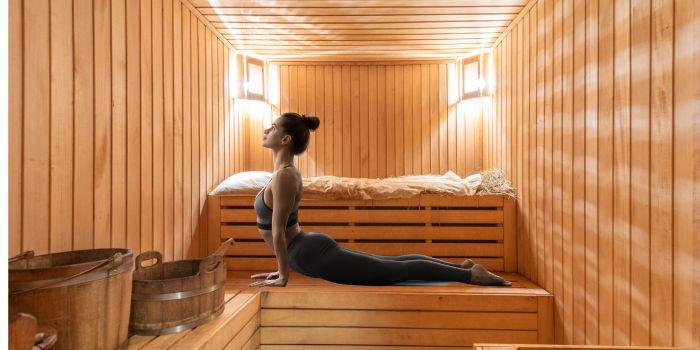
Increased circulation from the heat can support recovery, especially when combined with gentle stretching or yoga poses. Over time, consistent sauna use may make you feel looser and more comfortable between workouts.
That’s part of why garage saunas and home units are gaining popularity with people who train regularly: you can slip into the heat for a short, easy session whenever it fits your schedule.
Just keep expectations realistic: saunas support recovery, but they don’t replace rest days, good sleep, and proper nutrition.
In Summary…
If you’re thinking about exercising in the sauna, start conservatively. Talk with a healthcare professional if you have any medical conditions or take prescription medications. Keep movements light, watch your time, hydrate well, and step out the moment you feel off.
Used wisely, a sauna can be a relaxing add-on to your routine—helping with stress relief, flexibility, and recovery. Just remember that your safety and comfort come first, and let your body—not the clock—be the final judge of how long to stay.


