
For athletes and fitness enthusiasts, a sauna is a critical tool for active recovery. It helps the body bounce back from intense training by using therapeutic heat to heal tissues.

How Heat Speeds Up Muscle Recovery
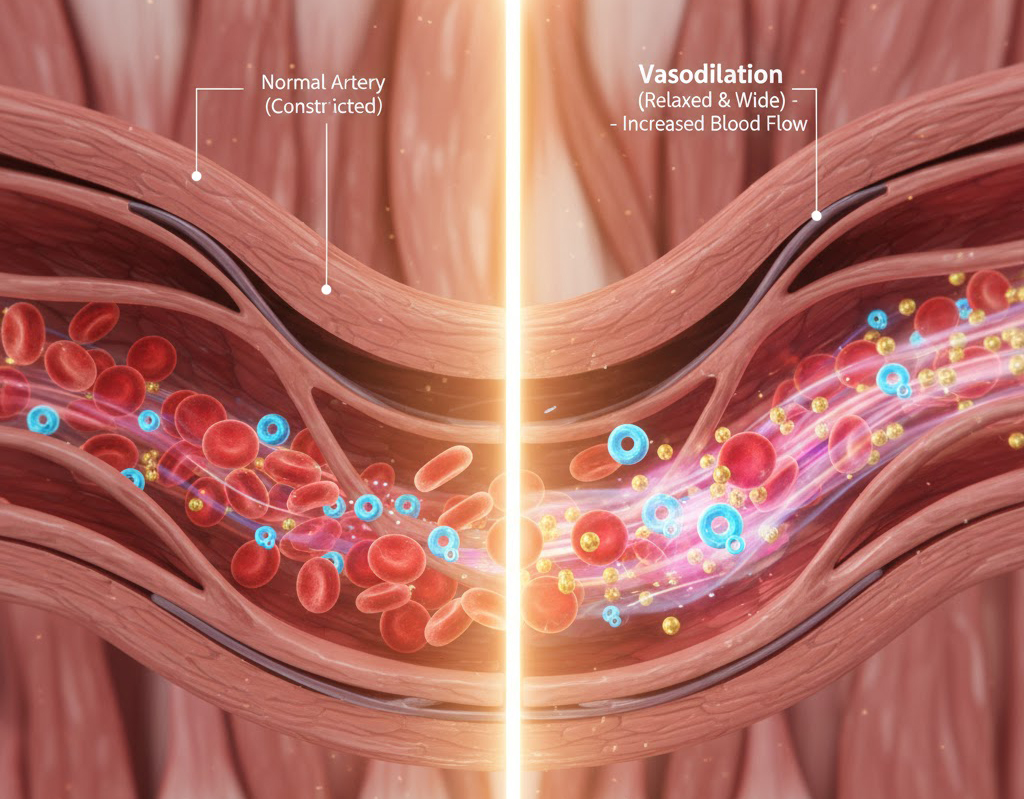
When you step into a sauna, your body undergoes a fascinating survival response that doubles as a high-performance recovery tool. This process, known as vasodilation, is a cornerstone of why elite athletes prioritize heat therapy.
Here is a deeper look at the science of how saunas repair your body at the cellular level.
1. The “Priority Delivery” System (Vasodilation)
As your core temperature rises, your brain triggers vasodilation to prevent overheating. The smooth muscles in your blood vessel walls relax, causing the vessels to widen.
- The “Motorway” Effect: Think of your blood vessels like roads. Normally, they might be “two-lane streets.” In the sauna, they expand into “eight-lane highways,” allowing a massive surge of blood to reach your extremities and deep muscle tissues.
- Nutrient Influx: This surge carries a “repair crew” of oxygen, glucose, and amino acids directly to the micro-tears in your muscle fibers. These micro-tears are what actually build strength, and the faster they are fed, the faster you recover.
2. The “Waste Management” Flush (Metabolic Clearance)
During heavy lifting or endurance sports, your muscles produce metabolic byproducts, primarily lactic acid and carbon dioxide.
- The Lactic Acid Myth: While lactic acid doesn’t cause long-term soreness, its buildup during a workout creates that “burning” sensation and temporary fatigue.
- Accelerated Removal: The increased “pumping” action of your heart and the widened vessels work like a high-powered drain. They flush these byproducts into your bloodstream to be processed by the liver or exhaled through the lungs, significantly reducing Delayed Onset Muscle Soreness (DOMS).
3. The Cellular Bodyguards (Heat Shock Proteins)
Beyond just blood flow, the heat stress triggers the production of Heat Shock Proteins (HSPs).
- Molecular Repair: HSPs act like molecular “chaperones.” They seek out damaged proteins within your muscle cells and help them refold and repair.
- Preventing Atrophy: These proteins also help prevent muscle breakdown (atrophy), making saunas an excellent tool even on rest days or during injury recovery.
4. Hormonal Optimization (Growth Hormone)
Research shows that intense heat stress can give your pituitary gland a “nudge,” leading to a spike in Human Growth Hormone (HGH). This hormone is the body’s primary architect for tissue repair and fat metabolism, further accelerating the healing of those micro-tears.
Comparison of Recovery Methods
| Method | Primary Mechanism | Best For |
| Sauna (Heat) | Vasodilation & HSPs | Blood flow, muscle repair, flexibility. |
| Cold Plunge | Vasoconstriction | Reducing inflammation, numbing pain. |
| Contrast (Both) | “Vascular Pump” | Flushing waste, elite recovery. |
Relief for Chronic and Acute Pain
The high heat of a sauna stimulates the release of endorphins, the body’s natural painkillers. This can provide immediate relief for:
- DOMS (Delayed Onset Muscle Soreness)
- Joint stiffness and arthritis
- Lower back pain and muscle spasms
Regular sessions can also increase growth hormone levels. This hormone is essential for long-term tissue repair and muscle growth.
Featured Recovery Saunas

For focused muscle recovery, Infrared Saunas are often preferred by athletes. They use light to heat the body directly, penetrating deeper into muscle tissue than traditional steam.
The Radiant Saunas 2-Person Hemlock Infrared Sauna is a popular choice for home recovery. It features carbon heaters that provide consistent, deep-penetrating heat to soothe aching joints.
If you prefer a higher-intensity heat for cardiovascular benefits alongside recovery, the Dynamic Saunas Venice 2-Person Infrared Sauna offers a more open feel with its glass design while maintaining high heat efficiency.
Frequently Asked Questions
When is the best time to use a sauna for recovery? Most athletes find the best results using a sauna immediately after a workout. This keeps blood flow high while muscles are still warm.

How long should a recovery session last? Aim for 15 to 25 minutes. Staying longer does not necessarily increase benefits and may lead to dehydration.
Should I hydrate during the session? Yes. Drink at least 16 ounces of water before and after your session. Electrolytes are also recommended to replace what you lose through sweat.
Can saunas prevent muscle injury? While they don’t prevent all injuries, they improve muscle flexibility. Pliable muscles are less likely to strain or tear during explosive movements.
Reputable Resources
- The Mayo Clinic: Guide to sauna health benefits.
- National Institutes of Health (NIH): Clinical studies on heat therapy for athletes.
- FoundMyFitness (Dr. Rhonda Patrick): Extensive research on hyperthermic conditioning.
Conclusion
Integrating a sauna into your routine is a game-changer for active recovery. It reduces pain, improves circulation, and keeps you training at your peak.


