
Buying a home sauna can be exciting – but overwhelming at the same time. Choosing the right one means considering several key features. This guide helps you select the perfect unit for your home.
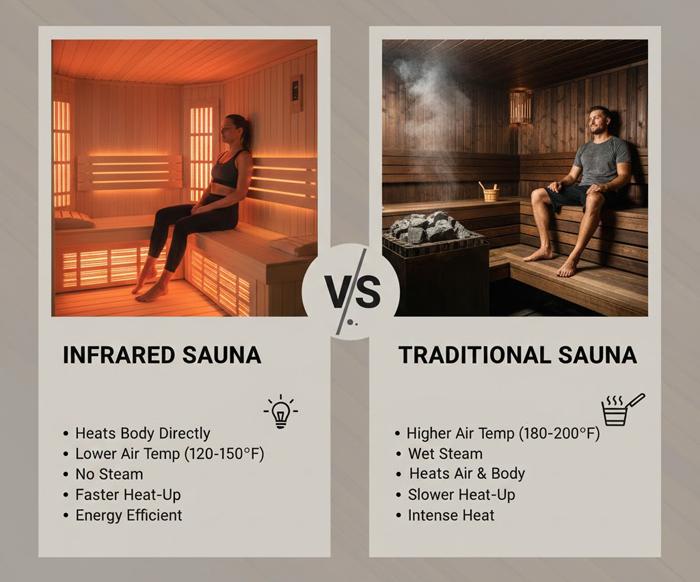
1. Sauna Type: Infrared vs. Traditional
This is the first big decision.
- Infrared Saunas: These use light to directly warm your body. Air temperature stays lower. They heat up faster. Many find them more comfortable.
- Traditional Saunas: These use heaters to warm the air. You pour water over hot rocks for steam. They offer a more intense heat experience. Both types provide great benefits.
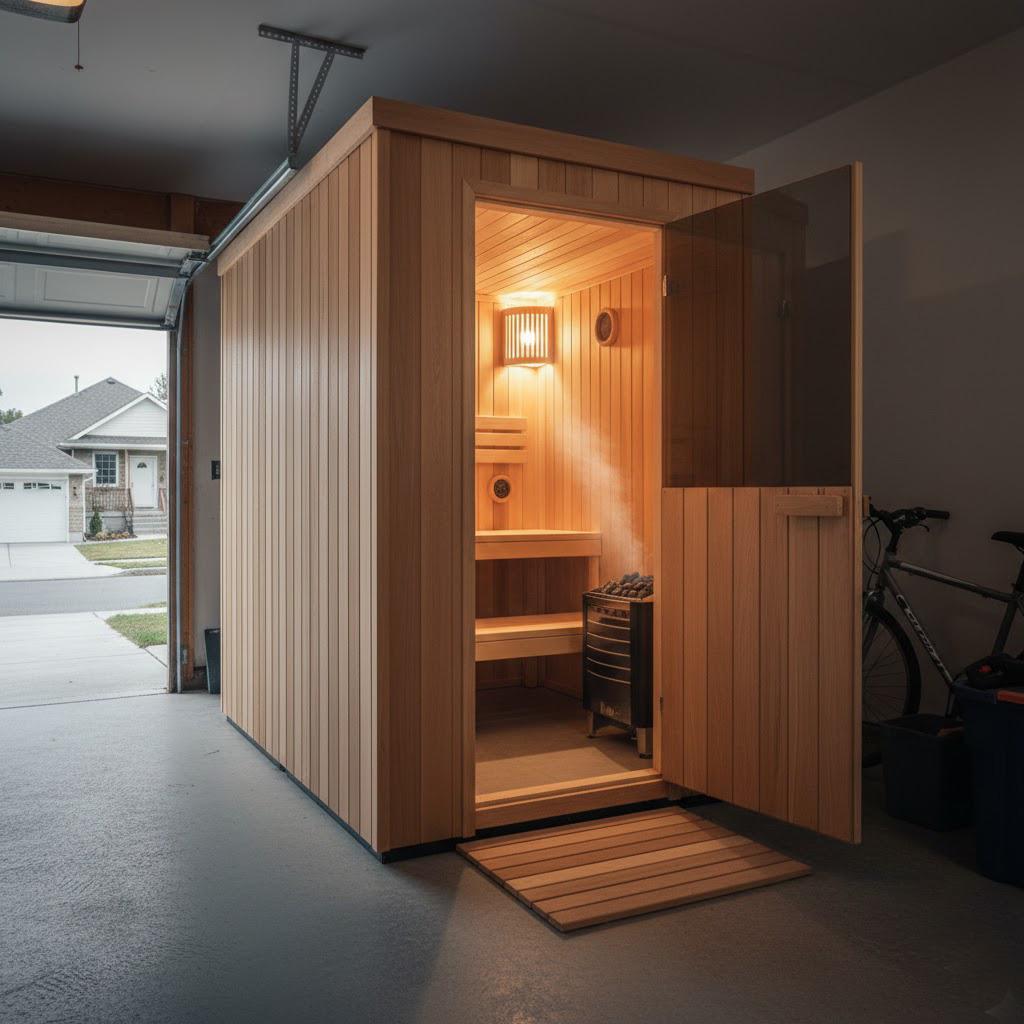
2. Size and Capacity
Consider who will use the sauna.
- 1-Person: Ideal for tight spaces or solo relaxation.
- 2-Person: Perfect for couples. Allows comfortable solo use too.
- 3+ Person: Great for families or entertaining. Requires more space. Measure your room carefully. Ensure it fits through doorways.
3. Heater Quality and Placement
Heaters are the sauna’s heart.
- Infrared: Look for Full Spectrum for various health benefits. Carbon fiber heaters offer even heat. Ceramic heaters are intense but localized.
- Traditional: Choose high-quality electric heaters. Ensure safety certifications. Heater placement affects heat distribution.
4. Wood Type
The wood affects durability and aesthetics.
- Hemlock: Popular, affordable, and durable. Has a light, consistent grain.
- Cedar: Aromatic, naturally resistant to mold. More expensive but long-lasting.
- Basswood: Hypoallergenic, great for sensitive users. Offers a neutral scent. Avoid treated woods or plywood.
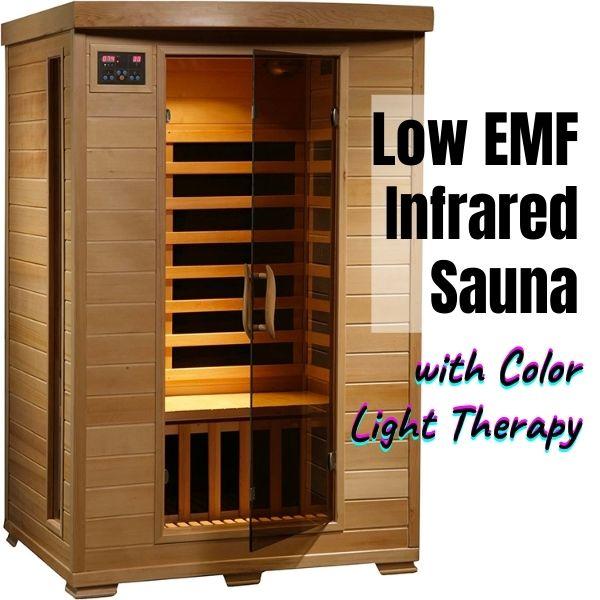
5. EMF Levels (for Infrared Saunas)
EMF stands for electromagnetic fields.
- Some users prefer low EMF saunas. Look for certified low EMF heaters. Manufacturers usually list these specifications. Research different brands.
6. Ventilation and Airflow
Good airflow is essential.
- Proper ventilation prevents stuffiness. It also helps with air circulation. Look for adjustable vents. This ensures a comfortable experience.
7. Control Panel and Features
Modern saunas offer many extras.
- Digital Controls: Easy to adjust temperature and time.
- Bluetooth Speakers: Enjoy music or podcasts.
- Chromotherapy Lighting: Colored lights for mood enhancement.
- Ergonomic Seating: For maximum comfort.
8. Electrical Requirements and Installation
- Most home saunas need a dedicated circuit. It’s often 120V or 240V. Consult an electrician beforehand. Professional installation is often recommended. DIY can be an option for smaller units.
Frequently Asked Questions
Infrared vs. Traditional: Which is truly better?
The choice depends on your heat tolerance and available time. Traditional saunas reach much higher temperatures (180-200 degrees) and use humidity to make the heat feel more intense. If you love the “steam” experience, traditional is the only way to go.
However, infrared saunas are popular for homes because they operate at lower temperatures (120-150 degrees). They penetrate the skin more deeply to induce sweating without making the air feel “stifling.” They also plug into standard outlets more easily than traditional heaters.
Understanding EMF Levels (Electromagnetic Fields)
In the sauna industry, “Low EMF” is a major selling point. Every electronic device emits some level of EMF, but because you sit very close to the heaters in an infrared sauna, many people prefer units that mitigate this exposure.
- Ultra-Low EMF: Usually defined as below 3 milligauss (mG) when measured from the heater.
- Why it matters: While the health effects of low-level EMF are still being debated, choosing a low-EMF brand usually ensures the manufacturer uses higher-quality, better-shielded internal components.
Why Wood Choice is More Than Just “Looks”
The wood in a sauna has a functional job. It must withstand constant expansion and contraction without warping or cracking.

Cedar: This is the “gold standard.” It contains natural oils that act as an anti-fungal and anti-bacterial agent. It smells amazing but can be a “trigger” for people with extreme fragrance sensitivities.
Hemlock/Basswood: These are “non-toxic” and scent-free. If you have allergies or don’t want your garage or gym to smell like a forest, these are superior, more affordable choices.
The Hidden Importance of Electrical Planning
Many first-time buyers forget that a sauna is a high-draw appliance.
3+ Person Units: Frequently require a 20-amp outlet or a 240V dedicated line (similar to a clothes dryer).Pro Tip: Always check your electrical panel before buying. Upgrading a circuit can add $300–$800 to your total project cost.
1-2 Person Units: Often use a standard 120V / 15-amp plug (the kind you use for a toaster).
Conclusion
Choosing an indoor sauna involves many considerations. Focus on type, size, and heater quality. Consider wood, EMF, and ventilation too. Look for useful controls and plan electrical needs. This careful approach ensures a rewarding purchase.
Reputable Resources
- Sauna Journal: Detailed reviews and buying guides.
- International Sauna Association: Information on sauna benefits and types.
- Consumer Reports: Product testing and recommendations (check for specific sauna reviews).


