


Before stepping into an infrared sauna, it’s important to understand who should proceed with extra caution—or avoid it entirely. Knowing the main precautions and potential risks helps you decide if this type of heat therapy is appropriate for your situation. Here’s an overview of who is generally advised to avoid using an infrared sauna.
1. Cardiovascular Conditions:
People with serious or unstable heart issues—such as unstable angina, a recent heart attack, severe heart failure, or poorly controlled high blood pressure—are usually advised to stay out of saunas. The heat can influence blood pressure, heart rate, and circulation in ways that may not be safe for these conditions.
Anyone with a history of heart disease or elevated blood pressure should talk with their healthcare provider before trying an infrared sauna, since the cardiovascular effects of heat may pose added risk. (See ScienceDirect on how infrared saunas mimic exercise.)
2. Pregnancy:
Pregnant individuals are generally advised to avoid long or intense sauna sessions. Elevated body temperature during pregnancy can carry potential risks, so the use of an infrared sauna is usually discouraged because of the possibility of overheating and dehydration.
3. Hemodynamic Instability:
Hemodynamic instability refers to unstable or impaired blood circulation, often showing up as fluctuating blood pressure, heart rate, or other vital signs.
In this situation, the heart and vascular system may not be able to maintain steady, adequate blood flow to meet the body’s needs. People with conditions that lead to unstable circulation—such as severe dehydration, low blood volume, or shock—should be extremely cautious with any intense heat exposure, including saunas.
4. Fever:
Using a sauna while running a fever is not recommended, since the added heat can drive body temperature even higher and worsen how you feel.
5. Bleeding Disorders:
People with bleeding disorders, or those taking blood-thinning / anticoagulant medications, are often advised to skip saunas. Increased circulation and heat may contribute to a higher risk of bleeding or bruising in some cases.
6. Neurological Disorders:
Individuals with certain neurological conditions—such as multiple sclerosis—may be sensitive to heat. Warm environments can sometimes aggravate symptoms, so saunas should be approached with caution and only under medical guidance in these situations.

7. Inflammatory Skin Conditions:
People with acute inflammatory skin issues—such as active rashes, infections, or open wounds—are generally advised to avoid saunas. High heat can aggravate irritation, increase discomfort, and potentially delay healing.
The elevated temperatures may also increase the chance of complications when the skin barrier is already compromised. Also see: 5 infrared sauna skin benefits & side effects.
8. Respiratory Conditions:
People with chronic respiratory concerns—such as asthma or COPD—may find the warm, dry air inside a sauna uncomfortable or irritating. In some cases, this environment can make breathing feel more difficult.
9. Medication Interactions:
Because heat exposure can influence circulation, blood pressure, and sweating, sauna sessions can interact with certain medications. It’s important to review all prescriptions and over-the-counter drugs with a healthcare provider before using an infrared sauna to avoid possible conflicts or side effects.
People with implanted heat-sensitive medical devices—such as some pacemakers and other electronic implants—are typically advised not to use infrared saunas unless specifically cleared by their specialist.
10. Recent Surgeries or Medical Procedures:
Those who have recently undergone surgery or certain medical procedures should hold off on sauna use until their surgeon or physician confirms it’s safe. Heat and increased circulation may interfere with recovery if introduced too soon.
11. Children & Elderly Adults:
Children and older adults may have more difficulty regulating body temperature in hot environments. This can make them more vulnerable to overheating, dehydration, or burns, so extra caution and close supervision are essential—and in many cases, lower temperatures and shorter sessions are advised or saunas are avoided entirely.
Potential Risks of Infrared Saunas:
Infrared saunas have become popular for their relaxation and potential wellness benefits. At the same time, they share the same basic truth as any other therapy: there are possible downsides. Understanding the main risks makes it easier to use them safely—or to decide if they’re a fit for you at all.
Burns: One of the primary concerns is the potential for burns. Sitting too close to heaters, setting temperatures too high, or staying in too long can overheat the skin. Following the manufacturer’s recommended temperature range and time limits is essential to reduce this risk.

Dehydration: Heavy sweating is part of the sauna experience, but it can quickly lead to fluid loss. Without adequate water intake before and after a session, dehydration can develop. Hydrating with water or electrolyte-containing drinks before, during (if appropriate), and after a session is important.
Overheating: Heat exposure can be helpful in moderation, but too much time in an infrared sauna can cause overheating, lightheadedness, or feeling unwell. People who already have trouble regulating body temperature—for example, those with multiple sclerosis or certain cardiovascular conditions—may be especially vulnerable.
Medications and Medical Conditions: Existing health issues or specific medications can change how the body responds to heat. Conditions such as heart disease, high blood pressure, diabetes, or kidney problems may require extra caution, and some prescriptions can alter sweating, blood pressure, or electrolyte balance. A healthcare provider should be consulted before starting sauna use in these cases.
Skin Sensitivity: Those with sensitive or reactive skin can experience irritation, redness, or rashes from prolonged heat exposure. Shorter sessions and lower temperatures may help, but some people may find that saunas simply don’t agree with their skin.
Claustrophobia: Compact sauna cabins can feel confining. Anyone prone to claustrophobia or anxiety in enclosed spaces may find the environment uncomfortable or triggering.
These risks don’t mean infrared saunas are automatically unsafe, but they do underline the importance of using them cautiously, paying attention to how you feel, and getting medical advice when needed.
Alternatives to Infrared Saunas:
If you’re pregnant, living with a heart condition, using a pacemaker, or managing other significant health issues, your doctor may recommend avoiding sauna sessions altogether—or using only very mild heat. In that case, there are other ways to enjoy some of the comfort and relaxation associated with heat therapy.
If a medical condition makes infrared sauna use unsafe, the options below can offer similar soothing effects with fewer risks for many people (always with your provider’s guidance).
Safer Wellness Options for Those Who Should Avoid Infrared Saunas:
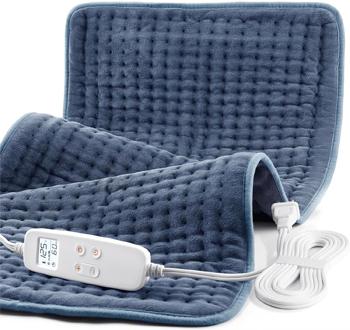
1. Heat Packs & Heating Pads:
Localized heat sources can help ease muscle tension and discomfort without raising your whole body temperature. This targeted approach can be more controllable and gentler than full-body heat exposure.
Portable options like heating pads, wraps, electric blankets, or massagers with built-in warming elements let you direct soothing heat exactly where you need it, and for as long as feels comfortable.
2. Hot Baths:
A warm or hot bath can provide a more moderate, controllable form of heat therapy. You can adjust the temperature and time easily and step out as soon as you feel warm enough.
Adding Epsom salts or a few drops of essential oils (if tolerated and safe for you) can increase the relaxation factor and leave you feeling calmer and more refreshed afterward.
3. Steam Rooms:
Steam rooms offer moist heat instead of the dry heat found in most saunas. The humidity can help open pores and encourage sweating while also loosening mucus in the airways for some people.
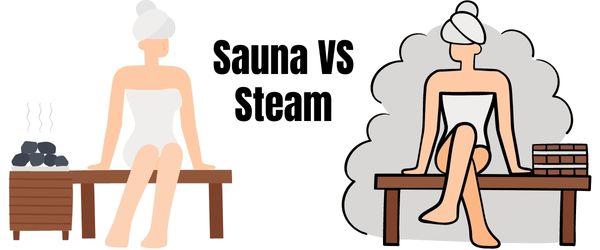
For some, this type of environment can feel more comfortable and easier to tolerate, and may also contribute to a temporary sense of clearer breathing and softer, more hydrated skin.

4. Hot Yoga:
Hot yoga classes combine movement, stretching, and elevated room temperatures—often between about 90°F (32°C) and 105°F (40°C). For some people, this mix can support flexibility, stress relief, and a good sweat in a more structured setting.
If an infrared sauna isn’t appropriate, supervised hot yoga (with your provider’s okay) may provide a similar “warm workout” feeling while allowing you to control intensity with pose selection and breaks.
5. Sun Exposure:
Moderate, protected sun exposure can support vitamin D production and improve mood for many people. Sunscreen, shade breaks, and appropriate clothing are important to reduce the risk of sunburn or long-term skin damage.
Brief, sensible time outdoors in the sun (if appropriate for your skin type and health status) can be a gentle way to get some warmth and an emotional lift without using a sauna.
Exploring these alternatives makes it possible to enjoy warmth, relaxation, and muscle relief even if infrared sauna therapy isn’t recommended for your specific situation.
Summary:
Infrared saunas can be a pleasant addition to a wellness routine, but they aren’t a one-size-fits-all solution. People with certain medical conditions—such as cardiovascular disease, pregnancy, unstable circulation, or some neurological problems—may need to avoid them or use them only under close medical guidance.
Potential side effects like overheating, dehydration, interactions with medications, and skin irritation are additional reasons to be thoughtful and cautious. For those who are advised not to use infrared saunas, options like heating pads, warm baths, steam rooms, or hot yoga can offer some of the same soothing effects in a different format.
Ultimately, checking in with a healthcare provider before starting or changing any heat-based routine is the safest way to decide what makes sense for your body, your health history, and your goals.


