
1. What Are the Electrical Requirements for a Sauna?
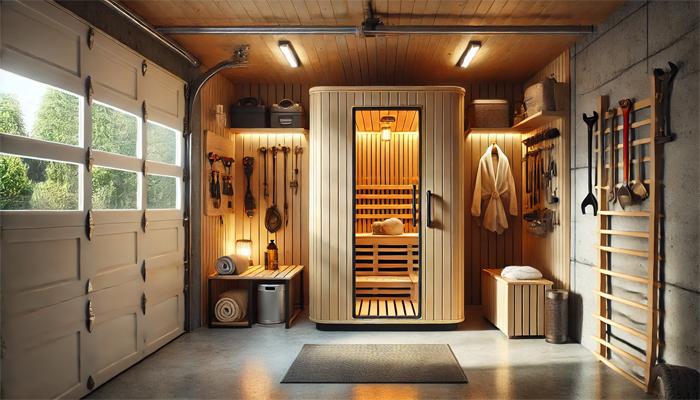
Before you bring a sauna into your home, it’s essential to know what it will demand from your electrical system. Most traditional saunas use an electric heater that needs a dedicated 220–240V circuit, with heaters commonly rated between 4.5 kW and 9 kW depending on the size of the unit. That higher-voltage line allows the heater to reach and maintain sauna temperatures quickly and safely.
Infrared saunas are usually lighter on power requirements. Many plug into a standard 120V household outlet, which makes them easier to set up in an existing space without major electrical upgrades. Larger or multi-person infrared models, however, may still call for their own 240V circuit.
Always confirm the exact electrical specs with the manufacturer before you buy. Then compare those numbers with your panel’s capacity and existing breakers to make sure your system can handle the extra load without nuisance tripping.
2. Do I Need to Hire a Licensed Electrician to Install a New Circuit?
In almost every situation, yes—a licensed electrician is the right call. Saunas draw substantial power and operate in a warm environment, so proper wiring and protection are non-negotiable for safety.
A qualified electrician will evaluate your service panel, verify that there’s enough capacity for the sauna, and install a dedicated circuit and breaker where required. They’ll also ensure correct grounding, wire size, and connections so the system operates reliably and meets local electrical code.
Trying to DIY this part can lead to overloaded circuits, failed inspections, or serious hazards. Professional installation is a relatively small investment compared to the peace of mind and long-term safety it provides.
3. How Much Will It Increase My Energy Bills?
The impact on your bill depends on sauna type, heater size, and how often you use it. Traditional saunas heat the air and the room, so they typically use more power. A 6 kW heater running for an hour might add roughly $0.60–$0.90 to your bill, depending on your local cost per kWh.
Infrared saunas are more efficient because they heat your body directly instead of superheating all the air in the cabin. Many infrared units draw only 1–2 kW, which can put a typical one-hour session in the range of about $0.10–$0.20.
If you’re using your sauna daily, you might see your monthly bill rise by approximately $15–$30 for a traditional sauna and roughly $5–$10 for an infrared model, assuming average usage and energy prices.
4. Are Infrared Saunas Cheaper to Run Than Traditional Ones?
Yes—infrared saunas generally cost less to operate. Their heaters use lower wattage, warm up faster, and run at lower overall temperatures, all of which reduces energy consumption per session. Many infrared panels start producing usable heat almost immediately, while traditional saunas often need 30–45 minutes of preheating.
Because infrared saunas usually operate around 120–150°F instead of the 180–200°F of a classic hot-rock sauna, the heater doesn’t have to work as hard to keep the cabin at your target temperature. That efficiency shows up directly in your utility costs.
That said, many people love the intense, enveloping heat and steam-style feel of a traditional unit. Your choice comes down to which experience you want, how sensitive you are to operating costs, and how much power your home can comfortably support.
5. Other Considerations for Sauna Installation
- Ventilation: Traditional saunas produce more heat and moisture, so they need good airflow to manage humidity and protect nearby finishes. Infrared saunas create less steam but still benefit from fresh air circulation for comfort.
- Location: Make sure the floor structure and surrounding space can handle the sauna’s size and weight. For outdoor or semi-exposed locations, electrical components may need extra protection from weather and moisture.
- Maintenance: Periodically check heaters, wiring, and control panels for wear or damage. Keeping components clean, dry, and in good condition helps your sauna run safely and last longer.
Final Thoughts
Adding a sauna is a great way to bring a spa-level experience into your home, but the electrical side shouldn’t be an afterthought. Understanding voltage and circuit needs, working with a licensed electrician, and choosing the right type of sauna for your budget and usage habits will help you enjoy all the benefits with confidence—and without unexpected surprises on your power bill.


