
Tossing and turning. Staring at the clock. The endless loop of racing thoughts. If you struggle with sleep, you know the frustration of feeling exhausted but unable to rest.
While many turn to supplements or medication, an increasing number of people are looking for natural, holistic solutions. This search often leads them to the home sauna.
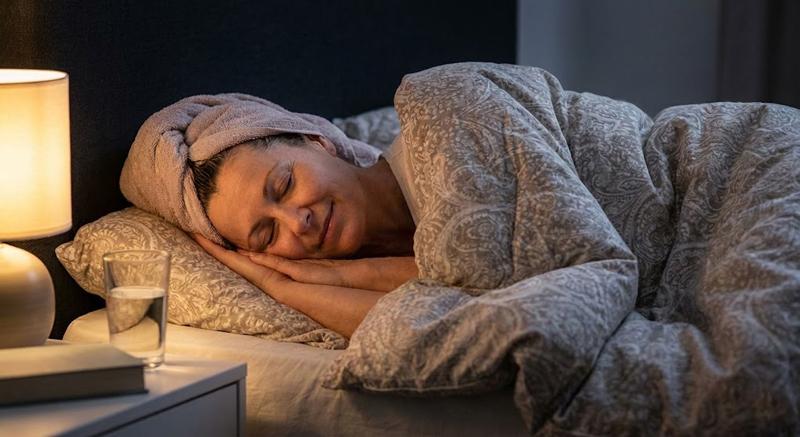
Buying a sauna is a significant investment in your health, and if sleep improvement is your primary goal, it is a wise one. A home sauna is more than just a luxury amenity; it is a powerful tool for regulating your body’s internal clock and calming your nervous system.
This guide will explore exactly how heat therapy promotes deeper sleep and provide actionable tips to create the perfect pre-sleep sauna routine.
The Science of Slumber: How Saunas Help You Sleep
It might seem counterintuitive to heat your body up when you want to cool down for sleep. However, strategic sauna use leverages your body’s natural thermoregulation processes to trigger sleepiness.
Here are the top three ways sauna use promotes better sleep:
1. The “Thermoregulatory Rebound” Effect
Your body has a natural circadian rhythm that dictates when you feel awake and when you feel sleepy. A key component of this rhythm is core body temperature. Typically, your body temperature needs to drop by a few degrees in the evening to signal to your brain that it is time to sleep.
When you sit in a sauna, you significantly raise your core body temperature. When you step out, your body works hard to cool down, causing a swift and significant drop in temperature. This rapid cooling effect (the rebound) tricks your brain into thinking it is time for sleep, helping you fall asleep faster.
2. Deactivating the Stress Response
It is difficult to sleep when your mind is racing. High levels of cortisol (the stress hormone) are a primary antagonist to sleep.
Sauna heat puts the body into a temporary, controlled state of physiological stress, which is followed by a profound state of relaxation. The heat helps to lower baseline cortisol levels while stimulating the release of endorphins—your body’s natural “feel-good” chemicals. This hormonal shift moves your nervous system from a sympathetic state (“fight or flight”) to a parasympathetic state (“rest and digest”), clearing the mental clutter that keeps you awake.
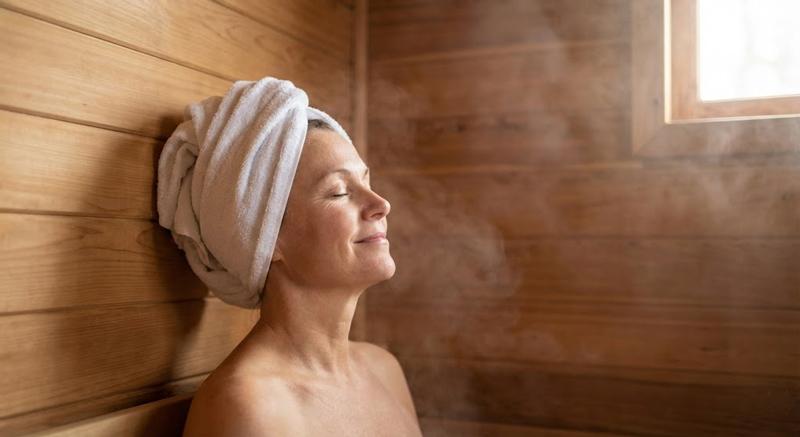
3. Physical Tension Release
Physical discomfort is a major barrier to deep sleep. Whether it is sore muscles from a workout, chronic joint pain, or tension held in the neck and shoulders from desk work, pain keeps the brain alert.
The intense heat of a sauna increases blood circulation, bringing oxygen and nutrients to depleted muscles and joints. Heat acts as a natural muscle relaxant, soothing aches and releasing physical tension. When your body is physically comfortable, your mind finds it easier to drift off.
Optimizing Your Routine: Tips for Maximum Sleep Benefits
Simply buying a sauna isn’t enough; you need to use it correctly to aid sleep. Jumping straight from a 170°F sauna into bed will likely leave you sweating and wide awake.
Follow these guidelines to create the ultimate sleep-inducing sauna protocol:
The Timing is Crucial
The Goldilocks Zone: Aim to finish your sauna session 60 to 90 minutes before you plan to be asleep.
You need this buffer of time to allow the “thermoregulatory rebound” to occur. If you go to bed while your core temperature is still elevated, you will likely struggle to fall asleep. Give your body time to return to baseline temperature before getting under the covers.
The Ideal Duration and Temperature
For sleep benefits, you do not need an endurance challenge.
- Duration: A 15 to 25-minute session is usually sufficient to raise your body temperature effectively without overtaxing your system before bed.
- Temperature: If using a traditional sauna, 160°F–175°F is a good range. If using an infrared sauna, 120°F–140°F for a slightly longer duration (25–30 mins) is often preferred for pre-sleep relaxation as the heat is gentler.
The Post-Sauna Cooldown Routine

What you do immediately after the sauna is just as important as the session itself.
- Hydrate immediately: Drink a large glass of water, herbal tea (like chamomile), or an electrolyte drink to replace lost fluids. Avoid alcohol or caffeine.
- The Shower Strategy: Take a shower to rinse off sweat, but avoid freezing cold water. A shocking cold plunge can spike adrenaline, waking you back up. Instead, take a lukewarm to cool shower to gently assist your body’s cooling process.
- Keep the lights low: As you cool down during that 60–90 minute window, keep household lights dim to encourage melatonin production.
Create a Sanctuary
Treat your sauna time as a sacred transition zone between the busyness of the day and sleep.
- No screens: Do not bring your phone into the sauna. The blue light and stimulation defeat the purpose.
- Add aromatherapy: Essential oils like lavender or eucalyptus (if your sauna allows them) can enhance the relaxation effect.
Frequently Asked Questions
Q: Which is better for sleep: Traditional steam or Infrared saunas? A: Both are effective because both raise your core body temperature. However, many people prefer infrared saunas for pre-sleep routines. Infrared heat is often perceived as gentler and less intense than traditional high-heat steam saunas, allowing for a more relaxing evening experience without feeling “wiped out.”
Q: Can I use my sauna every night before bed? A: Yes, most healthy adults can safely use a sauna daily. Consistency is actually key to regulating your sleep cycle. However, listen to your body. If you feel overly fatigued or dehydrated, take a night off.
Q: Why do I sometimes feel more awake right after a sauna? A: This usually means you didn’t allow enough time for the cooldown phase. Immediately after exiting the heat, your heart rate is elevated, similar to post-exercise. You must allow 60–90 minutes for your heart rate and body temperature to drop before attempting to sleep.
Q: Is it safe to fall asleep inside the sauna? A: No. Never fall asleep inside a sauna. This is extremely dangerous and can lead to severe dehydration, heatstroke, or even death. Always set a timer for your session.
Conclusion
Investing in a home sauna is a commitment to your long-term health, and few things are as vital to health as quality sleep. By utilizing the sauna to aid your body’s natural cooling process and alleviate both mental and physical tension, you can stop fighting insomnia and start enjoying restful, restorative nights.
Reputable Resources for More Information
If you wish to read further on the science of heat therapy and sleep, we recommend investigating these sources:
- The Sleep Foundation: Search for articles on “thermoregulation and sleep” or “passive body heating.”
- PubMed / National Institutes of Health (NIH): A search for “sauna bathing sleep” or “whole-body hyperthermia sleep quality” will provide peer-reviewed medical studies.
- Dr. Andrew Huberman (Huberman Lab Podcast): Highly regarded neuroscientist who frequently discusses protocols for sleep optimization, including specific protocols regarding heat and cold exposure.
- Mayo Clinic


