
The wood used for your home sauna is crucial. It affects durability, aroma, and overall experience. While many woods are available, three stand out: Western Red Cedar, Hemlock, and Nordic Spruce. Each has unique properties. Understanding these differences helps you make the best choice for your investment.
Western Red Cedar: The Gold Standard
Western Red Cedar (WRC) is almost universally considered the top choice for saunas. Its reputation is well-earned. It offers a premium combination of benefits.
Key Advantages:
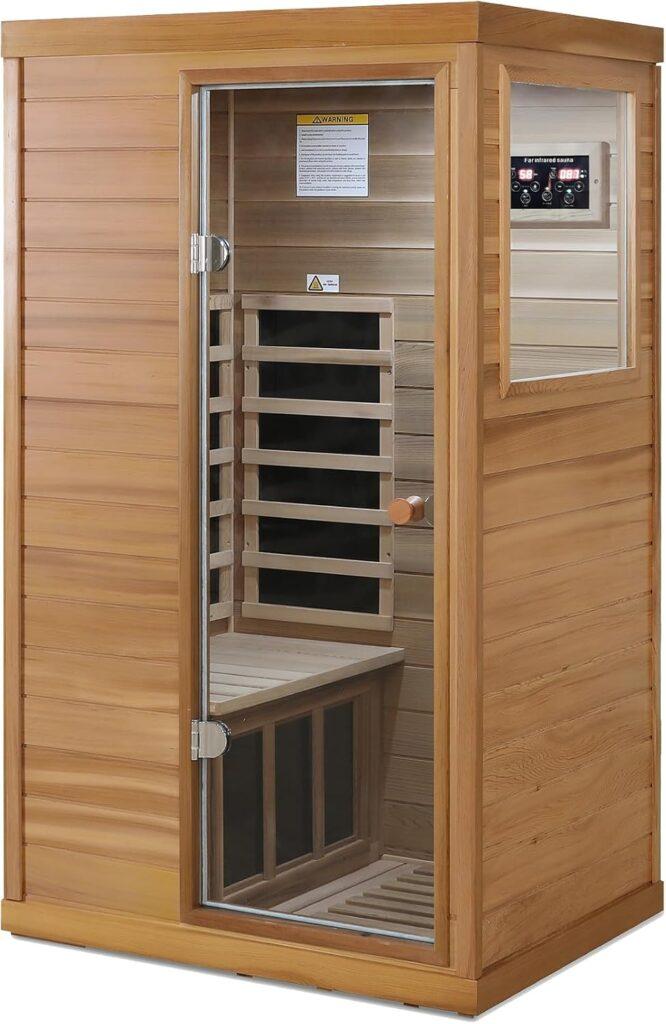
- Natural Aroma: WRC has a distinct, pleasant aroma. This scent is subtle and adds to the relaxation. It creates an authentic sauna experience.
- Rot and Decay Resistance: Cedar contains natural oils. These oils act as powerful antifungal and antibacterial agents. They make WRC highly resistant to rot, mildew, and insect damage. This is vital in a high-humidity environment.
- Dimensional Stability: WRC has a low density. This means it expands and contracts minimally. It resists warping, cracking, and splitting. This ensures your sauna walls remain true over time.
- Low Heat Conductivity: Cedar does not absorb or retain heat excessively. Benches stay cooler to the touch. This makes it more comfortable for sitting, even at high temperatures.
- Aesthetic Appeal: It features beautiful grain patterns. Colors range from light tan to deep reddish-brown. This creates a visually stunning interior.
Considerations:
- Cost: WRC is typically the most expensive option. Its superior qualities come at a higher price.
- Allergies: A very small percentage of people are sensitive to cedar’s natural oils. This can cause mild irritation for some.
Hemlock: The Odorless Alternative
Canadian Hemlock (also known as Western Hemlock) is a popular alternative to cedar. It offers a good balance of cost and performance.
Key Advantages:
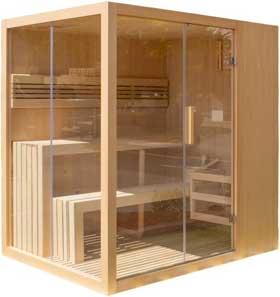
- Odorless and Non-Allergenic: Hemlock has virtually no scent. This makes it ideal for people with sensitivities. It avoids any strong aromatic presence in the sauna.
- Durable and Stable: It is a dense wood. Hemlock holds up well to heat and humidity. It is less prone to splintering than some other woods. Its stability prevents significant warping.
- Cost-Effective: Hemlock is generally more affordable than Western Red Cedar. It offers a good value for its durability.
- Light Color: It has a uniform, light blonde color. This can create a bright, clean look inside the sauna.
Considerations:
- Less Rot Resistance: Hemlock does not contain cedar’s natural protective oils. It is more susceptible to mold and mildew. Proper ventilation and cleaning are extra important.
- Heat Absorption: It can absorb and retain more heat than cedar. Benches might feel hotter to the touch during longer sessions.
Nordic Spruce: The Traditional Choice
Nordic Spruce is commonly used in traditional Finnish saunas. It is a classic choice, especially in Europe.
Key Advantages:

- Authentic Feel: Spruce offers a rustic, traditional look. Its light color and knotty appearance are hallmarks of classic saunas.
- Availability and Cost: It is widely available. Spruce is often the most economical choice. This makes it popular for budget-conscious buyers.
- Good Heat Retention: It holds heat well. This contributes to a consistent sauna temperature.
Considerations:
- Knots and Resin: Spruce wood often contains knots. These knots can sometimes weep resin at high temperatures. Resin is sticky and can burn the skin.
- Less Durable: It is softer than cedar or hemlock. Spruce is more prone to dings and scratches.
- Mold Susceptibility: Like hemlock, spruce lacks natural rot resistance. It requires diligent ventilation and cleaning to prevent mold growth.
- Warping: It can be more prone to warping and cracking than cedar.
The Verdict: Which Wood is Best for You?
- For the Ultimate Experience (and budget): Western Red Cedar is the clear winner. Its aroma, durability, and comfort are unmatched.
- For Allergies or Budget-Conscious Buyers: Hemlock offers a solid, scent-free alternative. It provides good stability at a lower price point. Remember to ventilate well.
- For Traditional European Aesthetics (and budget): Nordic Spruce offers an authentic look. Be prepared for potential resin issues and greater maintenance.
No matter your choice, ensure the wood is untreated and kiln-dried. Never use varnished or painted wood inside a sauna. These can release harmful fumes when heated.
Frequently Asked Questions
Q: Can I mix different wood types in my sauna? A: Yes, you can. Many saunas use cedar for benches and hemlock for walls. This balances cost and comfort.
Q: How do I clean sauna wood? A: Wipe down benches after each use. Use a mild sauna cleaner or diluted white vinegar solution periodically. Avoid harsh chemicals.
Q: Will the cedar smell fade over time? A: Yes, the strong cedar aroma will lessen over years. You can lightly sand the wood to revive it.
Q: Do I need to seal the wood inside my sauna? A: No, never seal the interior wood. It prevents the wood from breathing. This can trap moisture and cause issues.
Conclusion
Choosing the right wood for your home sauna impacts its longevity and your enjoyment. Western Red Cedar stands out for its natural beauty, resistance to decay, and pleasant aroma. Hemlock provides a great odorless, stable option. Nordic Spruce offers a traditional, budget-friendly choice. Consider your priorities: aroma, durability, or cost. This will guide you to the perfect wood for your personal sauna sanctuary.
Reputable Resources for More Information
- North American Sauna Society: Offers comprehensive guidance on sauna construction and materials.
- Wood Database: Provides detailed technical specifications for various wood species.
- Sauna Manufacturer’s Websites: Reputable brands often have comparison charts for the woods they use.


