
The best sauna temperature range for supporting weight loss is generally between 120°F and 180°F, depending on the style of sauna you’re using. Infrared saunas work well at the lower end of that range and are often more comfortable for longer sessions, while traditional dry saunas rely on hotter air to produce a similar effect. The goal isn’t “as hot as possible,” but a heat level where you can safely sweat, stay relaxed, and remain consistent over time.

Does A Higher Sauna Temperature Lead To Better Weight Loss Results?
Cranking the heat higher will usually make you sweat more, but that doesn’t automatically translate into burning more body fat. Very high temperatures often just accelerate fluid loss, which shows up as temporary water weight rather than true fat loss. In practice, a steady, manageable temperature that you can tolerate regularly will do more for long-term results than extreme heat you can barely endure.
What Is The Ideal Temperature For An Infrared Sauna For Weight Loss?
For weight loss support, infrared saunas work best in the 120°F to 140°F range. Infrared heaters warm your tissues directly instead of just heating the air, which can help increase calorie burn and circulation without feeling overwhelmingly hot on your skin.
How Does Sauna Temperature Affect Calorie Burning?
The hotter the environment, the harder your body has to work to cool itself down. As your core temperature rises, your heart rate and metabolic demand go up, which increases calorie use. That said, pushing the temperature too high can leave you drained, overheated, or dehydrated—undercutting the benefits and making it harder to stay consistent.
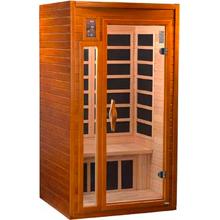
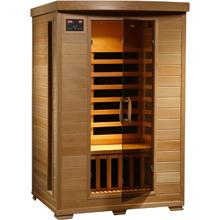
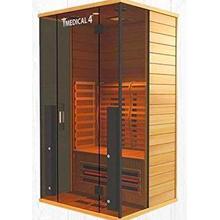
Types Of Saunas And Their Weight Loss Temperatures
Is The Weight Loss Temperature Different For Infrared Saunas Versus Traditional Saunas?
Yes. Infrared saunas generally deliver results at gentler temperatures, usually between 120°F and 140°F. Traditional saunas, on the other hand, typically need hotter air—often in the 160°F to 180°F range—to create a similar level of sweating and cardiovascular response.
What Is The Recommended Temperature For Weight Loss In A Dry Sauna?
For a standard dry sauna, a sweet spot for weight loss support is usually between 150°F and 180°F. Within this range, most people can sweat efficiently and elevate heart rate enough to boost calorie burn while still keeping sessions reasonably short.
Can I Achieve Weight Loss In A Steam Sauna, And At What Temperature?
Steam saunas (or steam rooms) run cooler—often around 110°F to 120°F—but the high humidity makes them feel hotter than the number suggests. The moist heat still promotes sweating and mild calorie expenditure, so they can play a role in a weight loss routine as well.
What Is The Lowest Sauna Temperature Effective For Weight Loss?
In an infrared sauna, temperatures around 100°F to 110°F can still be helpful, especially if you stay in a bit longer. With traditional dry saunas, going below about 150°F usually results in minimal sweating, so the metabolic effect and perceived benefits tend to drop off.
Safety And Effectiveness

Is There A Safe Maximum Temperature For Weight Loss?
For most healthy adults, a reasonable upper limit in a traditional sauna is around 190°F. In infrared units, it’s wise to cap the temperature near 150°F. Staying within these guidelines lowers the risk of overheating, lightheadedness, or heat-related illness.
Can Staying In A Sauna At High Temperatures Be Harmful?
Absolutely. Spending too long in very hot conditions can quickly lead to dehydration, nausea, headaches, or even heat exhaustion and heatstroke. That’s why it’s important to drink water, limit time inside, and step out immediately if you feel unwell.
How Long Should I Stay In A Sauna At A Specific Temperature For Weight Loss?
Most people do well with sessions of about 15 to 30 minutes. If you’re new, start shorter and at lower temperatures, then slowly build up as your body adapts and you learn your own limits.
Will Using A Sauna At A Lower Temperature Still Help With Weight Loss?
Yes. Especially in infrared saunas, lower temperatures can still gently raise heart rate and promote sweating, just in a more gradual way. You may need longer or more frequent sessions, but consistent use at a comfortable setting can still support your goals.
Weight Loss Benefits

How Does Sauna Temperature Contribute To Fat Loss Versus Water Weight?
Very hot sessions mainly strip off water through heavy sweating, which shows up as a quick drop on the scale—but comes right back when you rehydrate. True fat loss is more closely tied to consistent use at reasonable temperatures, combined with healthy eating and exercise, rather than chasing extreme heat.
Does Sauna Temperature Affect Metabolism And Calorie Burning?
Yes. As temperature climbs, your body works harder to cool itself, which means you expend more energy. Your heart rate climbs into a gentle “cardio” zone, and your metabolism ticks higher during the session.
What Sauna Temperature Helps Reduce Belly Fat?
No sauna temperature can selectively melt belly fat. However, consistent sessions in the 120°F to 160°F range, paired with a calorie deficit and movement, can support overall fat loss—which eventually shows up around the midsection as well.
At What Temperature Do You Sweat The Most In A Sauna For Weight Loss?
In traditional saunas, intense sweating usually kicks in between 170°F and 190°F. In infrared saunas, many people sweat heavily around 130°F to 150°F. These ranges encourage strong perspiration and can help with short-term water loss and mild calorie burn.
Practical Tips
How Can I Adjust The Temperature For Effective Weight Loss?
Begin at a comfortable moderate setting, then make small adjustments upward as you become more acclimated. If you notice dizziness, pounding heart, or excessive fatigue, dial the heat back down and shorten your sessions.
What Temperature Range Is Best For Beginners Aiming For Weight Loss In A Sauna?
New users usually do best starting around 100°F to 120°F in an infrared sauna or roughly 150°F in a traditional unit. Once that feels easy, you can gradually increase temperature or session length.
Should I Increase Temperature Gradually For Better Weight Loss Results?
Yes. Slowly progressing the temperature—or duration—gives your body time to adapt, improves tolerance, and lets you find the highest level you can comfortably handle without overdoing it.
What Is The Optimal Combination Of Sauna Temperature And Duration For Weight Loss?
For many people, a practical combo is 120°F to 140°F for about 30 minutes in an infrared sauna, or 160°F to 180°F for roughly 15–20 minutes in a traditional sauna. Adjust up or down based on your fitness level, experience, and how your body feels afterward.
Comparisons
Is There A Difference Between Using A Sauna At 120°F Versus 180°F For Weight Loss?
Yes. At 180°F, you’ll generally sweat faster and may burn more calories per minute—but you probably won’t last as long. At 120°F, the effects are gentler, yet you can often stay in longer and use the sauna more consistently week after week.
Are There Weight Loss Benefits At Lower Temperatures Like 100°F In An Infrared Sauna?
There can be, especially for people who are heat-sensitive or just starting out. At around 100°F, the response is milder, but longer and more frequent sessions can still slowly contribute to improved circulation and calorie burn.
Do Traditional Saunas Require A Higher Temperature For Weight Loss Than Infrared Models?
They do. Traditional saunas rely on heating the air, so they typically need to run hotter—usually 160°F to 180°F—to stimulate the same intensity of sweating and cardiovascular response you can get from infrared heat at lower temperatures.
Lifestyle Integration
What Is The Best Temperature For Weight Loss After A Workout?
Post-workout, a slightly moderate setting works well—about 120°F to 140°F in an infrared sauna or 160°F to 170°F in a traditional sauna. This helps support recovery, increases circulation, and adds a bit of extra calorie burn without overwhelming your already-tired body.
Should I Combine Sauna Use At Specific Temperatures With Diet And Exercise For Weight Loss?
Definitely. Saunas are best used as an add-on, not a replacement. Pairing regular sauna sessions with balanced nutrition, strength training, and cardio is the most effective way to lose body fat and keep it off.
Does Temperature Matter If I’m Using It Daily For Weight Loss?
Temperature matters, but consistency matters more. A sustainable range—often 120°F to 140°F for many people—lets you use your sauna regularly without burnout. Over time, that steady routine does far more for weight loss than sporadic, overly hot sessions.


