
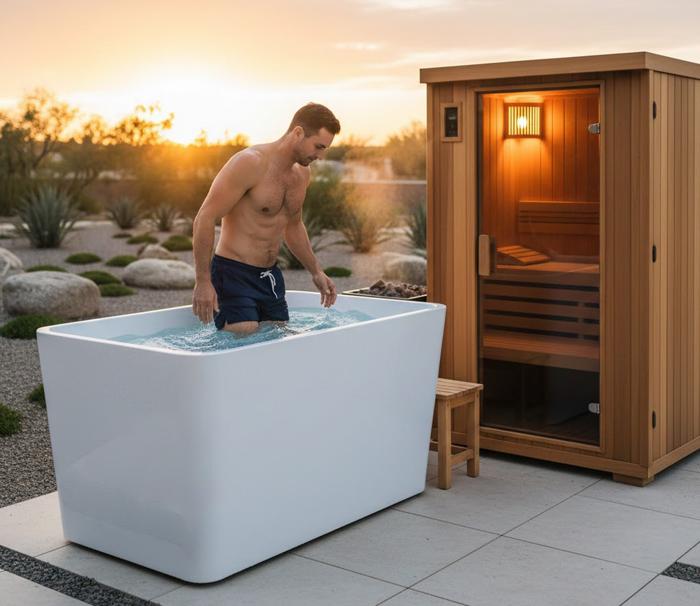
Elite athletes use contrast therapy to stay at the top of their game. This method involves switching between extreme heat and ice baths. This simple routine provides a powerful “vascular workout” for the body.
The Science of the “Vascular Pump”
When you sit in a sauna, your blood vessels dilate (vasodilation). This increases blood flow and delivers oxygen to tired muscles. When you jump into a cold plunge, those vessels constrict (vasoconstriction).
This alternating cycle creates a pumping effect. It flushes out metabolic waste like lactic acid very quickly. This process significantly reduces delayed onset muscle soreness (DOMS).
Why Athletes Prefer This Method
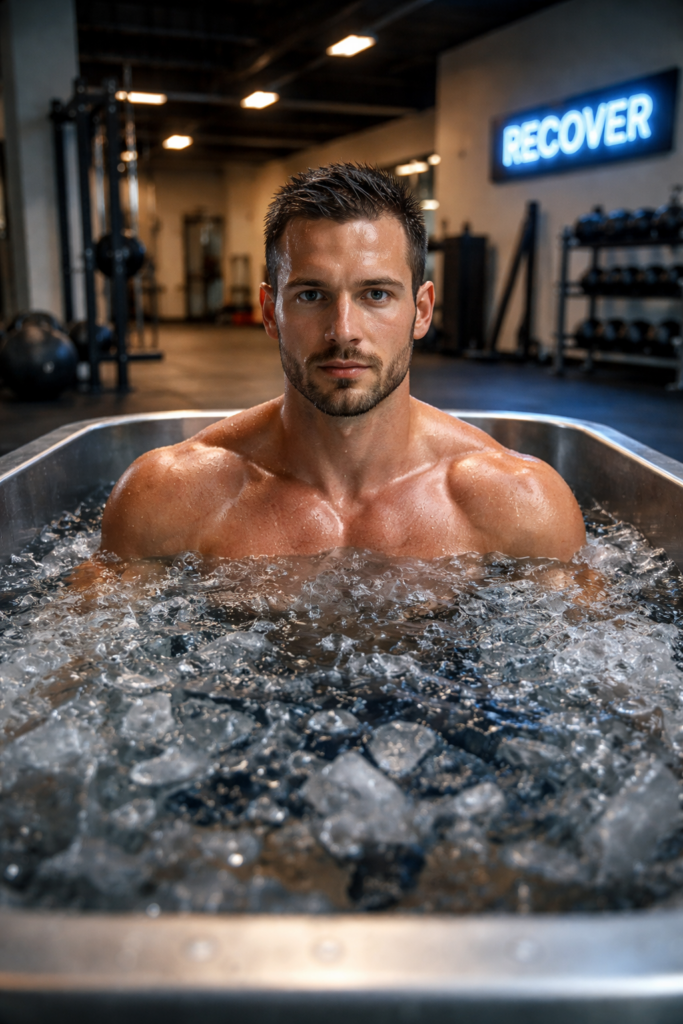
- Faster Recovery: Athletes can bounce back from intense training sessions in half the time.
- Reduced Inflammation: Cold exposure numbs pain and lowers tissue temperature to stop swelling.
- Mental Resilience: The shock of the cold triggers dopamine and norepinephrine for better focus.
- Heat Shock Proteins: Saunas trigger cellular repair, which protects muscles from future damage.
How to Do It Like a Pro
Most professionals follow a 3:1 ratio. They spend 15 minutes in a sauna followed by 2–5 minutes in a cold plunge. For the best results, they repeat this cycle three times. Always end with the cold plunge to lock in the anti-inflammatory benefits.
Choosing a cold plunge tub depends largely on your budget and how much effort you want to put into maintaining the temperature. Modern home units range from simple inflatable pods that require manual ice to advanced all-in-one systems with built-in chillers and filtration.
Professional All-In-One Systems
These units are designed for those who want a “set it and forget it” experience. They feature integrated chillers that keep water at a constant temperature (often down to 37°F) and filtration systems that keep the water clean for weeks.
- The Plunge All-In Cold Plunge Tub is a high-performance model featuring a mobile app for temperature control and advanced ozone sanitation. It is designed for both indoor and outdoor residential use and requires no special plumbing.
- The Vanity Art Standard Cold Plunge offers a sleek acrylic design with a 1HP chiller that can cool water to 37°F even in high ambient temperatures. It includes built-in LED lights for a spa-like atmosphere.
Aesthetic Barrel Designs
Barrel-style plunges allow for an upright, seated position, which many users find more space-efficient and ergonomic. These often feature natural wood exteriors that pair well with home saunas.
- The Redwood Outdoors Alaskan Cold Plunge Tub is a classic Pacific Cedar barrel. It can be used as a simple ice-fill tub or upgraded with a digital chiller. Its compact footprint makes it ideal for backyards or decks.
- The ALEKO Lumina Outdoor Wooden Ice Bath features a similar wooden aesthetic and includes wooden steps for easy access. It comes with an insulated cover to help maintain temperatures between sessions.
Budget-Friendly & Portable Options
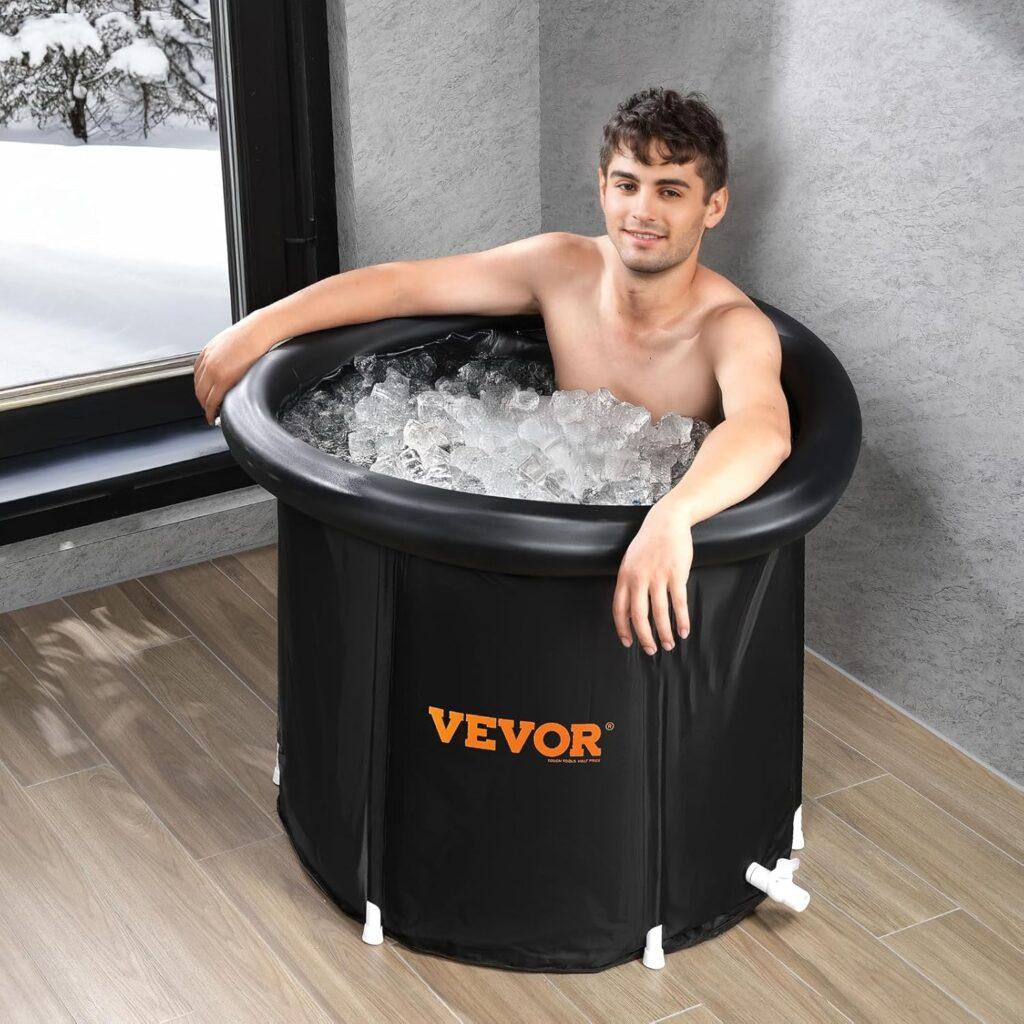
If you are new to cold therapy or have limited space, portable inflatable tubs are an affordable entry point. These typically require you to add your own ice.
- The Sharper Image Ice Bath Portable Cold Plunge is a lightweight, triple-layer insulated tub that fits adults up to 6.5 ft tall. It is easy to drain with a built-in spigot and folds away for storage.
- The VEVOR Ice Bath Tub is a highly rated budget option that includes a carrying bag and thermal cover. It is designed to withstand temperatures as low as -4°F, making it durable for outdoor use.
Key Considerations for Your Choice:
- Cooling Method: Do you want a built-in chiller (electric) or are you comfortable buying bags of ice?
- Sanitation: High-end models include Ozone or UV filtration, which significantly reduces how often you need to change the water.
- Space: Horizontal tubs like the Plunge All-In require more floor space, while barrel models like the Redwood Alaskan have a smaller footprint.
Frequently Asked Questions
How long should I stay in the cold plunge? Beginners should aim for 30–60 seconds. Experienced users typically stay in for 2–5 minutes. Never push yourself to the point of shivering uncontrollably.
Is it better to start with hot or cold? Always start with heat. Warming up the muscles first makes the transition to cold more effective for circulation.
Can I do this every day? Yes, but most experts recommend 2–3 times per week. Consistency is more important than frequency for long-term health benefits.
Should I use an infrared or traditional sauna? Both work, but infrared saunas penetrate deeper into muscle tissue. Traditional saunas provide higher air heat, which can be better for cardiovascular conditioning.
Reputable Resources
- The American College of Sports Medicine (ACSM)
- Journal of Sports Science and Medicine
- National Institutes of Health (NIH) – PubMed Central
Conclusion
Contrast therapy is a proven way to boost physical and mental performance. Whether you are a pro athlete or a weekend warrior, this routine can transform your recovery.


